 IT
IT

Water treatment for food-grade ice production
The use of osmotised water in the production of ice for food use can help improve the quality, safety and appearance of the ice and the beverages in which it is used.
.jpg)
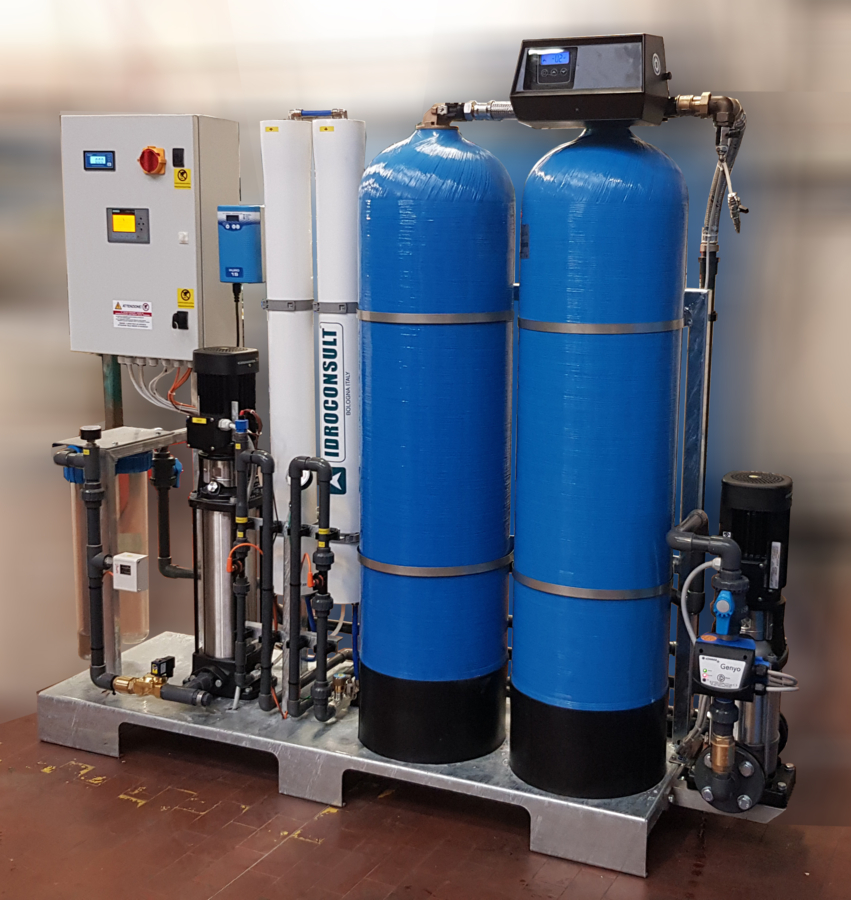
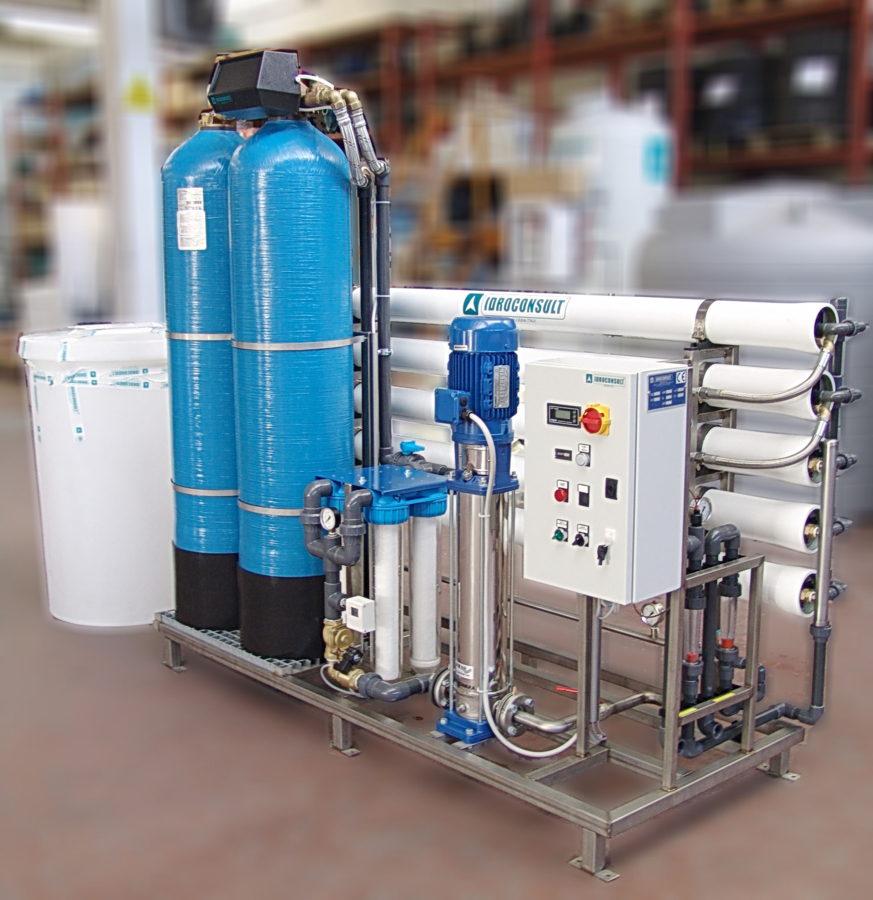
Osmotized water, or demineralized water, is a type of water that has been purified from impurities and mineral salts through a process called reverse osmosis.
This type of water offers several benefits when used for the production of ice intended for food use:
- Cleanliness and hygiene: Osmotized water is free from impurities and salts that could cause contamination or mineral deposits in the ice. This makes it ideal for food purposes, helping to obtain clean and safe ice for consumption.
- Neutral taste: Osmotized water has a neutral taste and does not affect the flavor of the ice or the beverages it is used in. This is especially important in applications where taste is critical, such as in cocktails or soft drinks.
- Ice clarity: Osmotized water produces clearer ice, free from visible impurities. This is aesthetically more pleasing and can enhance the appearance of beverages.
- Prevents scale formation: Since osmotized water is free from any type of salts, it reduces the risk of scale or saline buildup inside ice-making machinery and hydraulic circuits, extending their lifespan and reducing maintenance costs.
- Higher energy efficiency: The use of osmotized water in ice production can reduce saline deposits inside ice machines, improving energy efficiency and extending equipment life.
The absence of limescale deposits promotes better heat exchange.
- Reduced health risks: Osmotized water is generally safer from a microbiological standpoint compared to tap water. This reduces the risk of microbiological contamination of ice intended for human consumption.
- Compliance with regulations: The use of osmotized water can help ensure compliance with health and food safety standards, guaranteeing that the ice produced is safe for human consumption.
- Longer ice life: Since osmotized water is free from minerals that can affect ice quality and melting point, the ice can maintain its integrity and taste for a longer period.
A softening system, by comparison, cannot achieve these results, as the dissolved salt content in the water remains the same.
Softening, in fact, replaces the salts responsible for limescale with other salts, removing bicarbonates but leaving the total amount of dissolved salts unchanged.
In general, the use of osmotized water in the production of ice for food use can help improve the quality, safety, and appearance of the ice and the beverages in which it is used.
Fotogallery
The best solution to your problem
Contact us for a personalized offer