 IT
IT

Drought and water shortage in Italy
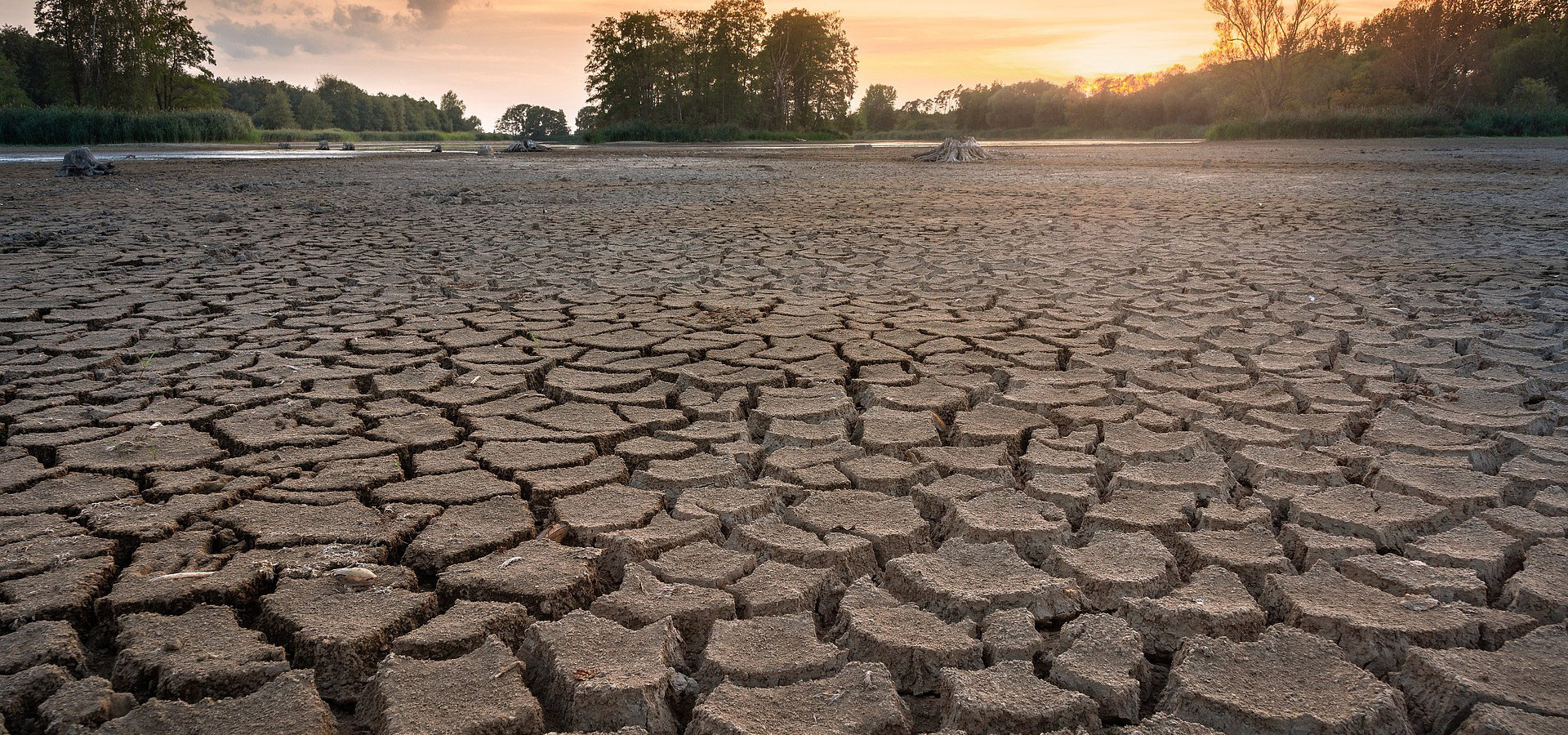
Italy is experiencing a prolonged period of drought, particularly in the central and southern regions of the country. This phenomenon has been ongoing for several years, with 2017 and 2019 being particularly severe.
Drought and Water Shortage in Italy
Italy is experiencing a prolonged period of drought, particularly in the central and southern regions of the country. This phenomenon has been ongoing for several years, with 2017 and 2019 being particularly severe.
The main causes of the drought are a combination of low rainfall and high temperatures, which have led to a reduction in water availability and an increase in demand for agricultural and urban use.
The drought has had a significant impact on agriculture, especially in southern Italy, where the economy is heavily dependent on it. Crops have been severely affected, and farmers have struggled to grow enough to meet demand. The drought has also had a negative impact on the tourism industry, as many popular destinations have faced water supply shortages and irregularities in water distribution.
To combat this phenomenon, the Italian government has implemented several measures, including the construction of new water reservoirs, the introduction of water-saving technologies, and the reduction of water consumption in urban areas.
However, these measures have had limited success, and the drought continues to pose a serious problem for the country. As a consequence, Italy has also seen an increase in the frequency and intensity of wildfires, which have caused significant damage to forests and wildlife, as well as posing a threat to human settlements.
Adding to the problem is the fact that rainwater is not fully utilized as a water supply source due to an inadequate infrastructure network for collection and channeling.
The reservoirs and dams across the country, despite having a potential storage capacity of 13,652 billion cubic meters of water, are operating at least 35% below capacity due to bureaucratic and management inefficiencies.
Considering that, on average, 40% of the water in national aqueduct networks is lost through leakage due to lack of maintenance, the overall situation calls for measures aimed at achieving greater independence from water supply problems.
Owning a well therefore becomes essential for any activity that requires a regular water supply, especially during the summer months.
Impact of Drought on Well Water Salinity
Drought can have a significant impact on the salinity of well water.
During periods of drought, the amount of water available in underground aquifers may decrease, leading to a reduction in the volume of freshwater available. Consequently, the concentration of dissolved salts in the remaining water may increase, causing higher salinity levels in well water. This increase in salinity can occur due to two main factors.
First, when water levels in the aquifer decrease, the remaining water becomes more concentrated with salts that were previously dissolved in a larger volume. Second, as water evaporates from the ground surface or soil, salts tend to become more concentrated in the remaining water.
The type and amount of salts present in well water can also vary depending on the geological composition of the area.
For example, in some regions, the intrusion of saltwater from nearby coastal areas can lead to an increase in well water salinity, especially during drought periods. Overall, drought can lead to an increase in well water salinity due to a reduction in available freshwater and an increase in dissolved salt concentration. This can have significant implications for agriculture, drinking water supply, and other uses of well water, particularly in areas where groundwater is the primary water source.
It therefore becomes essential, in order to solve autonomy and water supply regularity issues, to install a reverse osmosis system to partially or completely desalinate the water.
Through partial mixing, it is possible to achieve the desired salinity level, for both domestic, irrigation, or industrial use.
The best solution to your problem
Contact us for a personalized offer